Well, I spent 2 hrs last night on China, and when I went to publish, the freaking Great Firewall somehow chomped it up-so, I’m doing it again, hopefully with better pics.
LIJIANG
The Lijiang hotel, the Zen garden Inn, was fabulous. The driver they sent to pick us up at the airport had to stop at the edge of the old town because it is thankfully closed to traffic. Then he led us down the narrow cobble stoned streets to the hotel. As you can see here, inside it is warm with dark wood and a lovely courtyard, and some really old Chinese furniture, like this chair: 
 The courtyard was very peaceful, enhanced by a Naxi minority girl playing wonderful traditional music:
 The local market in Lijiang is huge, so big that it has separate large areas specific for, say, live seafood tanks: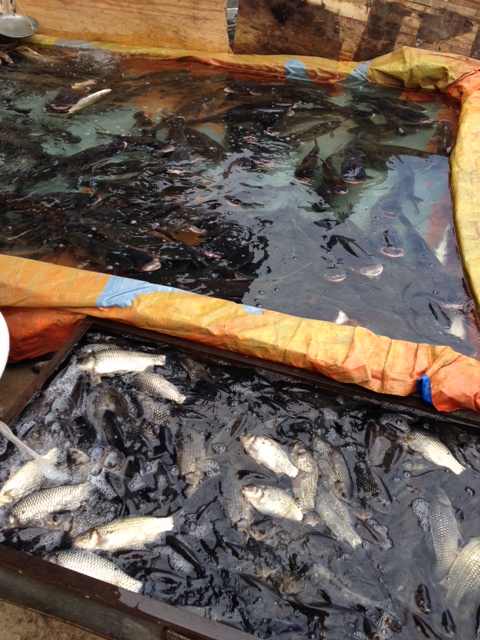
Of course, there are more hot fresh and dried chilies than I’ve seen anywhere. To get chili powder, this manual mashing unit churns crushed chilies. 
At the same market, this is the largest stack of large of dumpling steaming bins I
have ever seen: 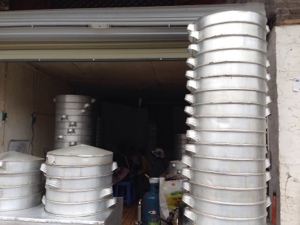
Yunnan province is famous for wild mushrooms. In fact, Japanese come here to find the famous matsutake, the fragrant pine mushroom, which can sell in Japan for upwards of $300/lb. This is a very large wood mushroom for sale at the market: 
Of course, tea is a premium product in this part of the world, and Pu’er tea is a particularly fine type of fermented black and green tea. The longer the tea ferments, the better. The Inn served generous amounts of 3 year old Pu’er tea every afternoon. Of course, we went in search of this tea, the best of which is produced in compact 1 lb rounds: 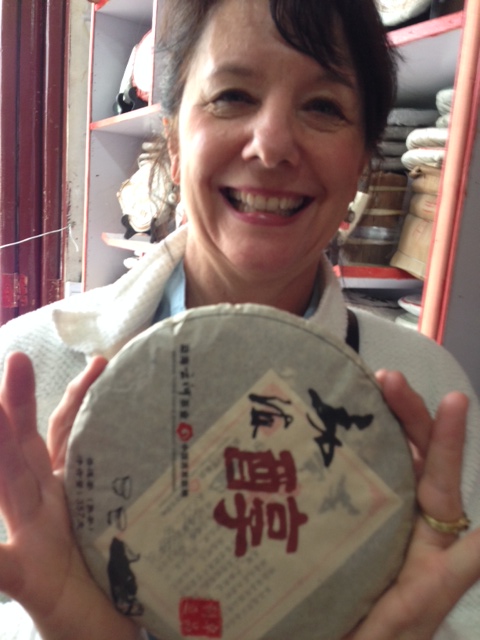
 This is pricy stuff, about $30/lb for this 8 year old tea. When we first got to Hong Kong, and Lijiang, getting around was very difficult. Almost no one speaks English, and no one, including cab drivers, recognize anything but the addresses in Chinese characters. But as we got more comfortable just walking around and getting a little lost, we became totally relaxed over the language issue. We wanted to go to the Baisha ancient village, one of the earliest Naxi settlements, where some primitive murals are on display. Our driver didn’t speak a word of English, but she knew exactly where to go, and one hardly noticed the language issue at all. On the way to Baisha, only 11 km or so from Lijiang, there looms the famous Jade Dragon Snow mountain (18, 360 ft), through the window:
  Also in Baisha is the Naxi Embroidery Institute, where young girls toil 8-10 hrs /day under a master to learn a very old Chinese form of extremely detailed embroidery and what really is fine art. It takes 20-30 years to become a master. The masters were all jailed and some died during the Cultural Revolution, almost taking down the entire tradition. Not only has it been revived, but the masters are now widely celebrated and revered in China. Here is one of two matching teapot embroideries we purchased, and I apologize for the poor quality picture, but the lights in the exhibit room were very bright:
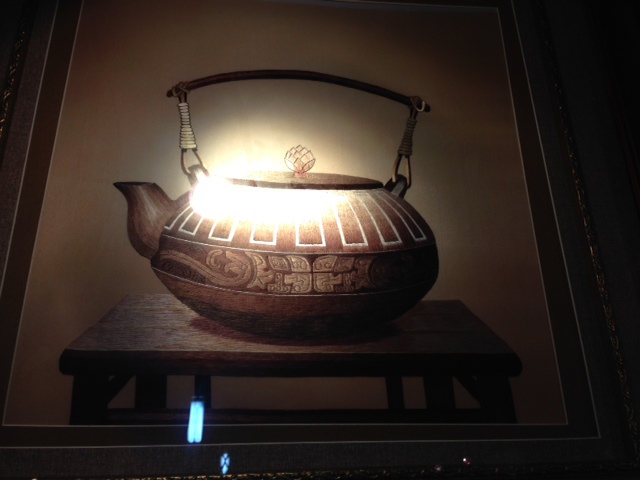
And here are the Master who created the teapots, and the student who gave us an overview and tour of the Institute :
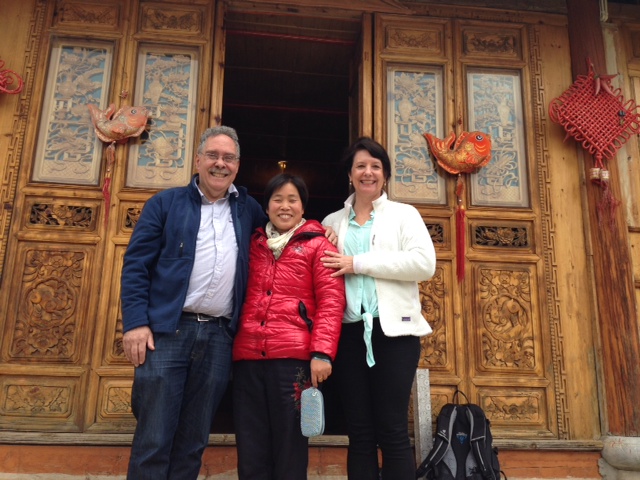

We climbed up to Lion’s Hill Park in Lijiang the last evening there-and got some ideas about pruning one of our rhododendrons into a potted penzai (the Japanese bonsai is derived from the Chinese) tree, like this:

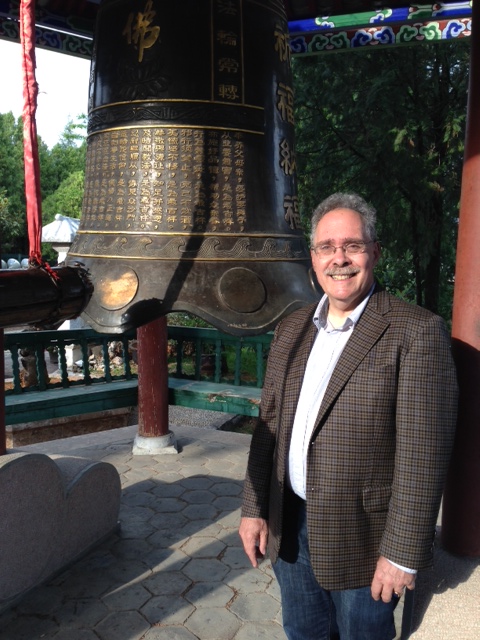
Here are Ruby and I in King’s Hill Park, me after paying 5 Yuan to gong this bell!

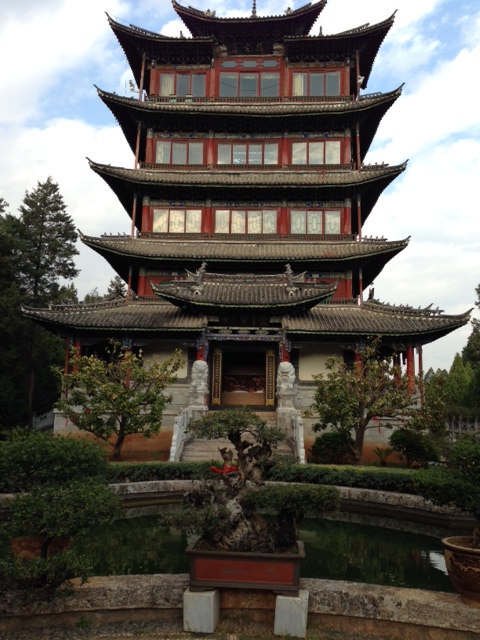
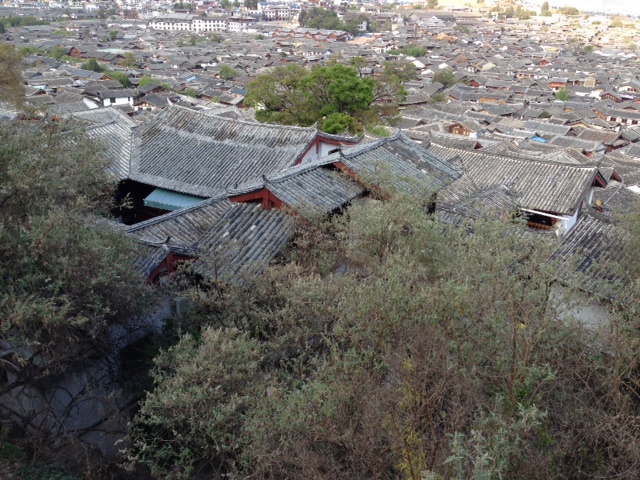
And you can see the Naxi rooftops from this vantage point, and this beautiful pagoda in the park:
TO SHANGRI-LA (ZHONGDIAN), VIA TIGER LEAPING GORGE
We left Lijiang with a Tibetan guide, Peter, who is from Shangri-La, on a five day private tour. It’s a good thing we spent a few days in Lijiang, at 7500 ft, and having done some walking up hills, because Shangri-La is at 10,500 ft.
Tiger Leaping Gorge is the deepest gorge in the world, and you can take a fairly dangerous 2 day hike to do the entire area properly. But, we merely chose to walk down the 1000 stairs to get close to the rushing Upper Yangtze River, and the rock the tiger supposedly jumped over to while escaping some ancient hunters:
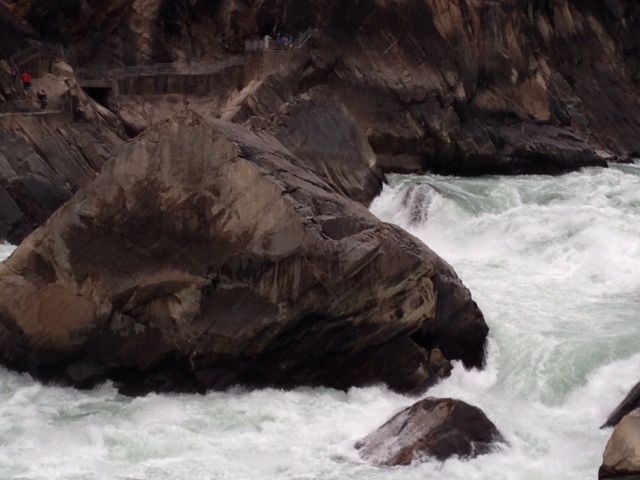

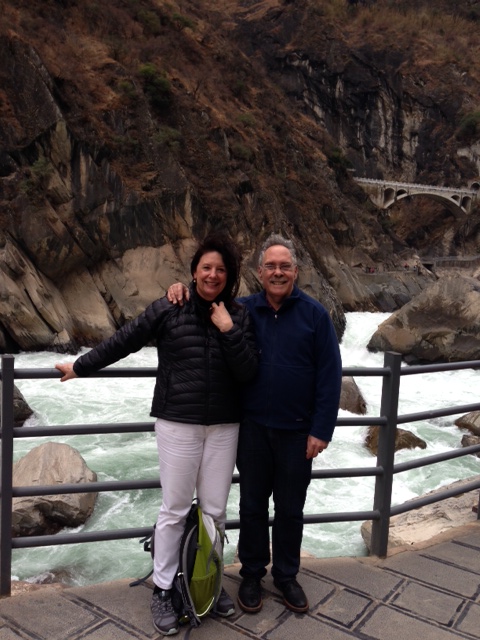
Our guide, Peter, is a Tibetan who was born in a small village near the border with Tibet. The roads in this far flung Western province are unbelievably good, and the distance to Tibet from Shangri-La is only 350 KM. Peter, like most of the people living in this part of China, is a devout Tibetan Buddhist. So, throughout our five days with Peter, we learned a huge amount about Tibetan Buddhism and all of its Buddhas and Guardians and other protective icons. That was good, because we spent a lot of time in the old Buddhist Monasteries in the region. This is Peter, with Ruby:
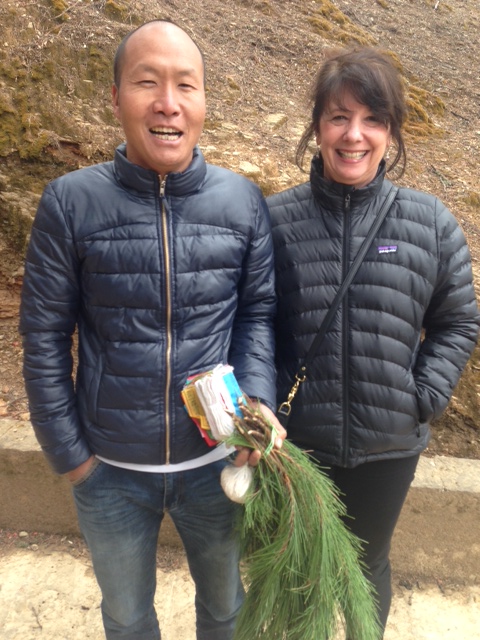
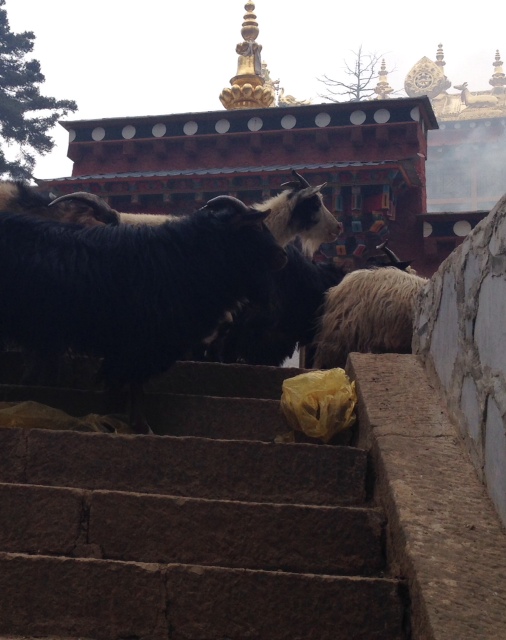
In this picture, Peter is readying to sacrifice some pine branches to Buddha at Dabao Monastery, the oldest monastery in the region. It is about 15 km outside of Shangri-La, and down a heavily rutted road and through a small village. This Monastery, unlike the huge more touristed and famous Songtsam Monastery in Shangri-La, is truly a place for the locals to worship. And it is also a special place because it is the only monastery in the region one of whose purposes is to protect animals from slaughter. Thus, as we climbed up to the monastery, the way was blocked by a gaggle of goats. The other pics are of various types of offerings from acolytes, including hand carved stone pieces:
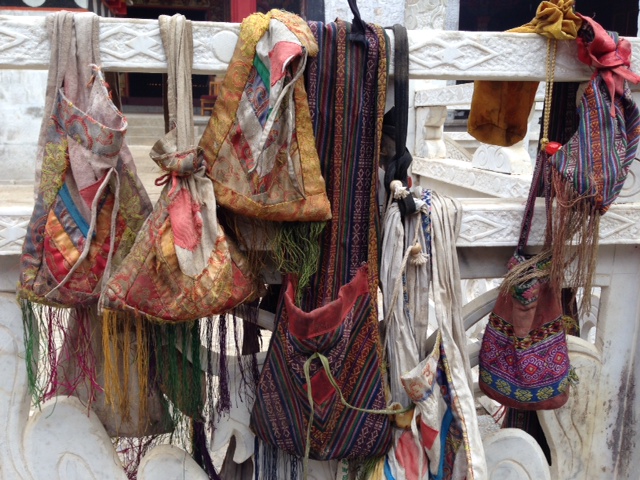
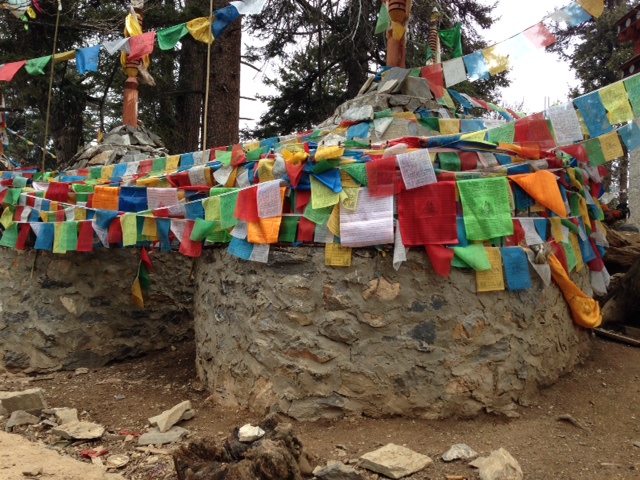
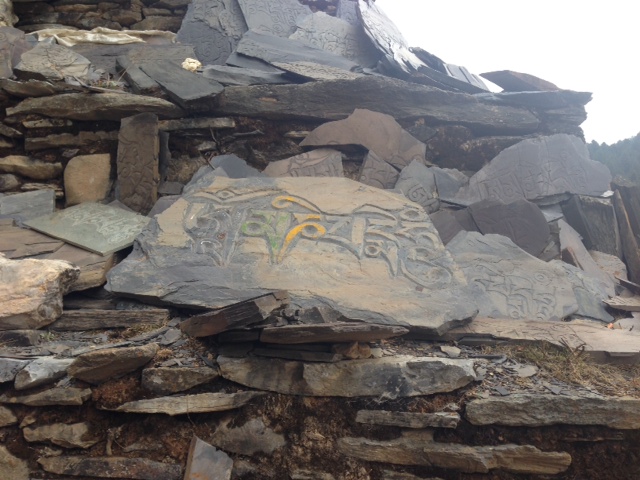
Here is a brief video from the animals at the monastery, including a chicken who wasn’t too happy that her rooster friend was siting in her nest! All of the animals at the monastery remain their entire lives.
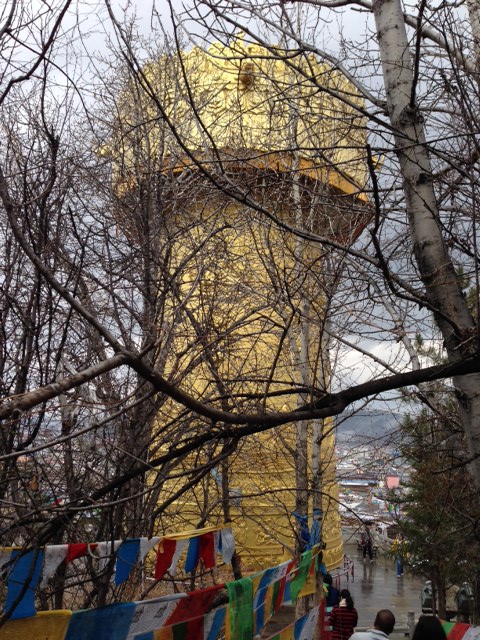
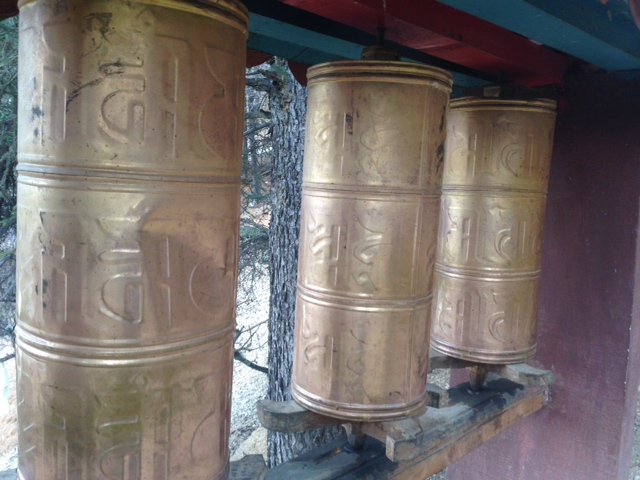
These monasteries are very colorful, always full of incense, and always including nearby a prayer wheel, which you are supposed to turn 3 times (if your are a praying Buddhist). These are sometimes small, as at Dabao, or sometimes huge, requiring 8-10 people to budge, as on a hill overlooking Shangri-La:

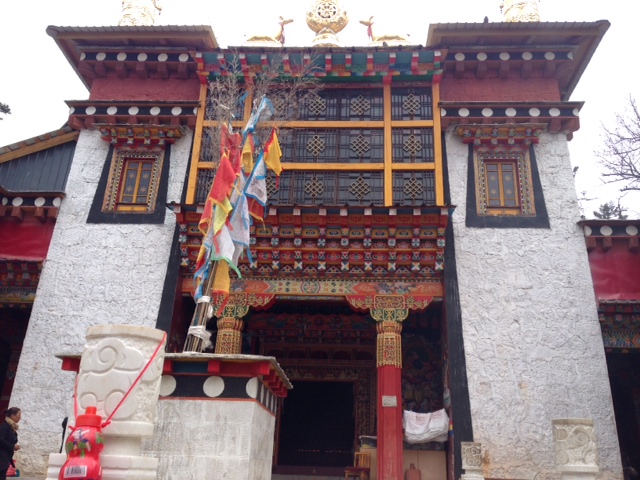
And some of the wonderful color at Dabao monastery:

Here is a brief video of monks playing primitive instruments, including the white conch, in a courtyard at the huge Songtsam Monastery in Shangri-La:
The conch is one of the eight sacred symbols in Tibetan Buddhism, explained here:


Sadly, a large portion of the old town of Shangri-La burned down in Jan, 2014-as you can see the fire went up to but did not reach the huge prayer wheel overlooking the city:

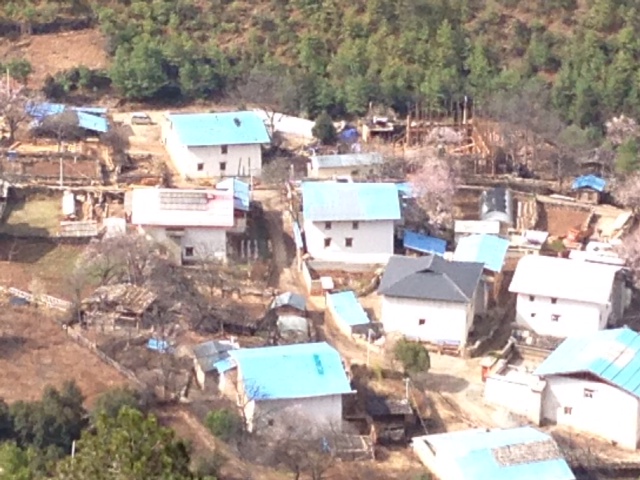
One of the highlights of the entire trip was a one hour drive to the Nixi Black Pottery village-these are all Tibetans, and shards of this craft have been traced back 2000 years. The trip up this valley is really bucolic, a real Shagri-La. Here is a view of the village and its blue-roofed homes. We gained entry to the home of one of the master potters and his son, seen here in the candlelight hand throwing and shaping the clay:

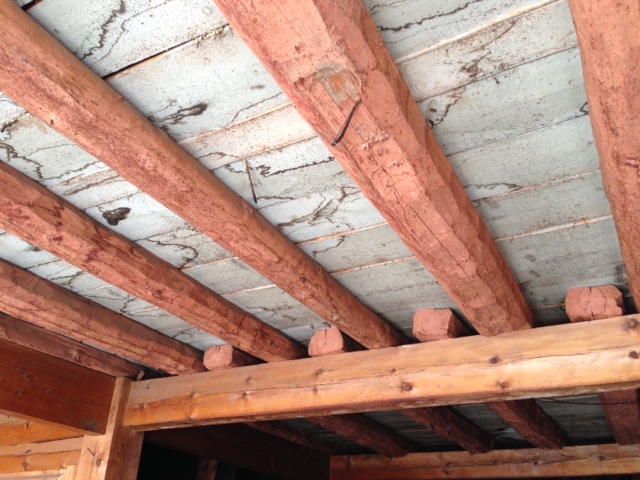
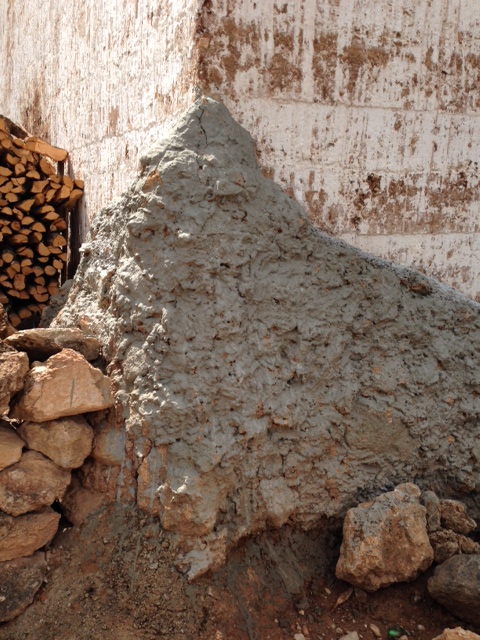
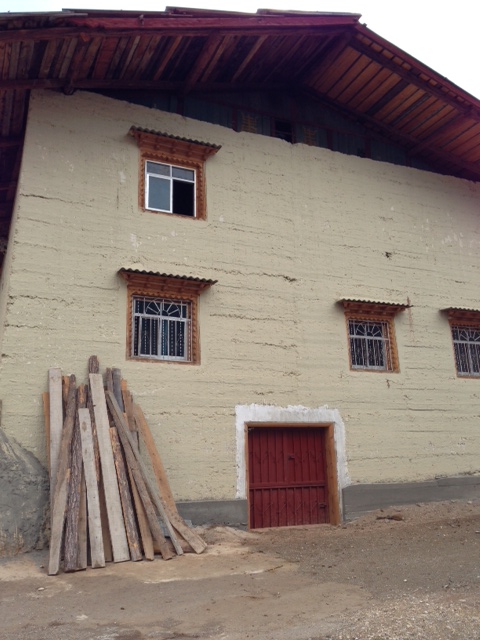
Nixi tibetan homes are VERY large and substantial. Seen here are the large studs, reinforced corners, and the typical three level house-first floor for the animals, second floor for living, and the third floor for pottery and a very large special Buddha shrine room:
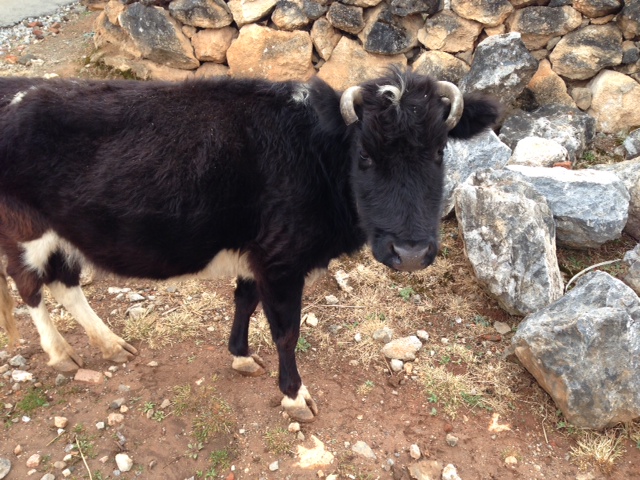
And, there are, of course, Yaks everywhere. These animals supply a large proportion of the caloric intake of these high country Tibetan dwellers:
At our wonderful Shangri-La hotel, the Songtsam Lodge, we had available tsampa for breakfast, a staple at every Tibetan meal. It is a combination of roasted, fermented barley flour, yak cheese, yak butter, and yak butter tea. You make a slurry of the ingredients, and then form patties with your hand. We loved it with the local honey. I’m definitely going to try to make this from scratch at home-I think there is a yak ranch in Elma!


The final activity in Shangri-La was a meal at a local home-you can see here the traditional dress of the Tibetan women hosts:

We can’t leave the Shangri-La post without mention the very large, adorable Tibetan mastiff. These are prized sheep-hearding dogs on the Tibetan plateau. It only cost us 5 Yuan (less than a dollar) to have our pic taken with this beauty. in the Shangri-La square:

SOUTH TO SHAXI, AN ANCIENT BAI VILLAGE ON THE TEA HORSE ROAD
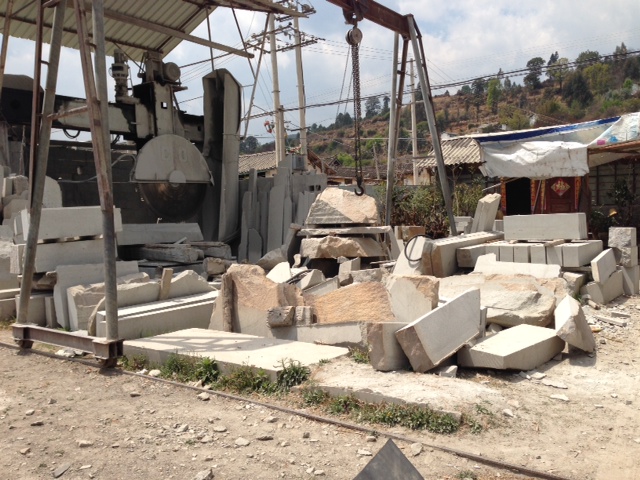
We drove three hours south to Shaxi, the oldest Bai village in the region, and a main stopping point on the ancient Tea Horse Road (A good article from National Geographic on the Tea Horse Road: http://ngm.nationalgeographic.com/2010/05/tea-horse-road/jenkins-text). On the way, we passed a village where marble cutting is the main enterprise:
Our accommodation in Shaxi, the Laomadian Lodge, is fine and rustic, in a caravanserai sort of way:
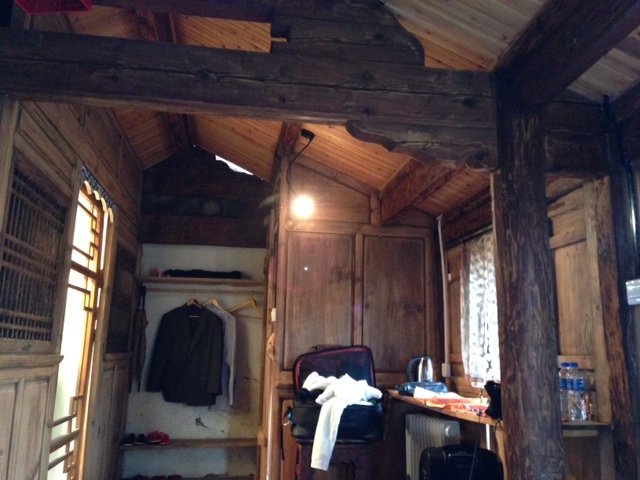
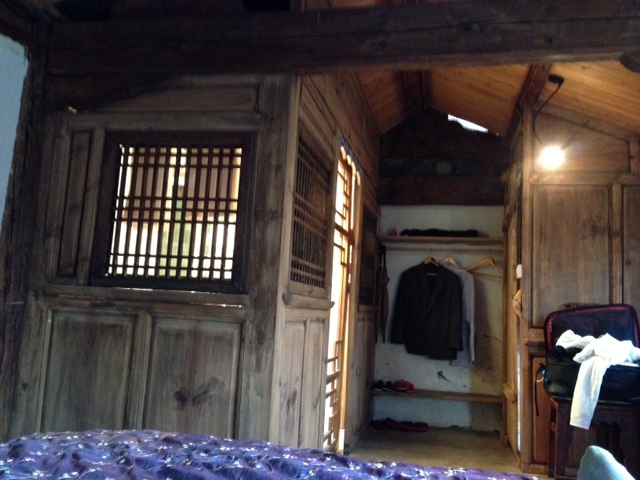
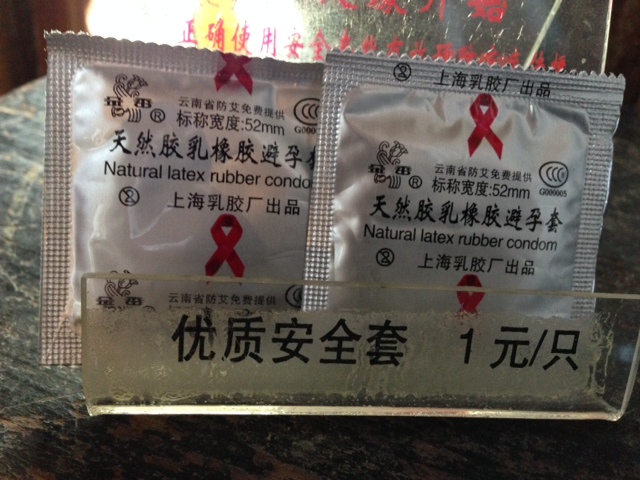
Ruby always likes to look up the “Hotel Amenities” tab on a hotel we may use, but this particular “amenity” was a surprise, unique on our China tour:
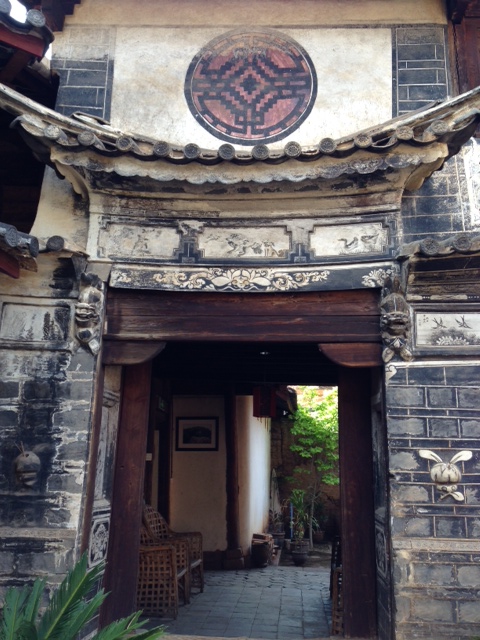
The Bai architecture is very specific to that minority, with white-washed walls, wonderful ink-painted tiles, under the eaves, archways, and curved roofs:



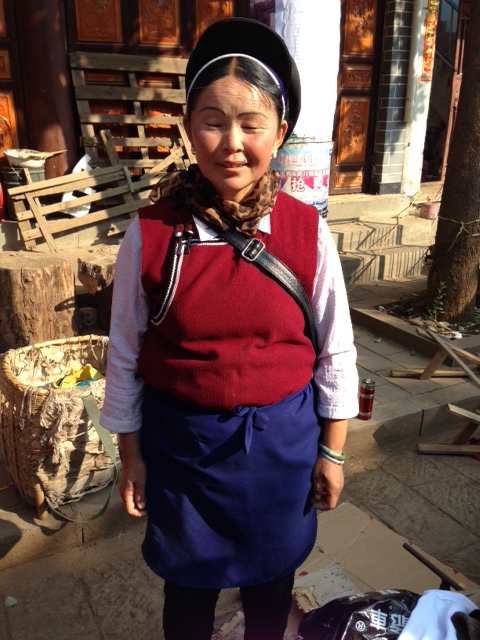
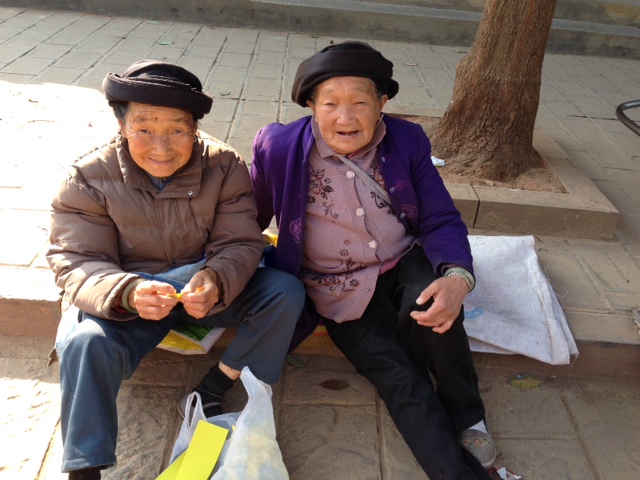
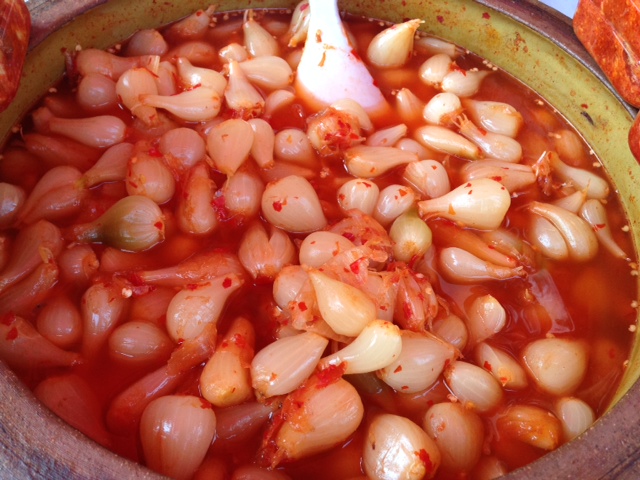
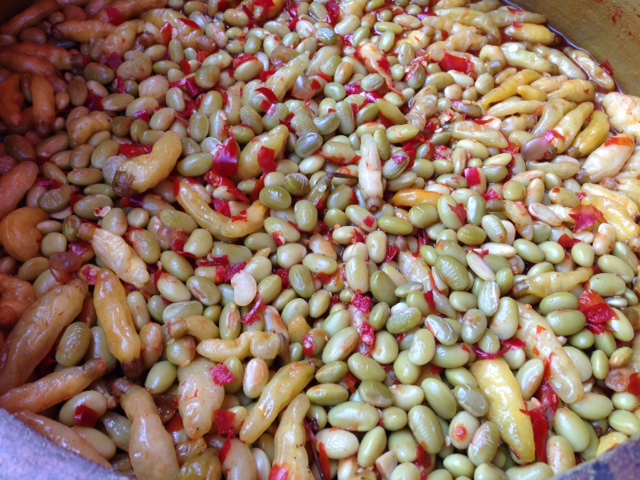
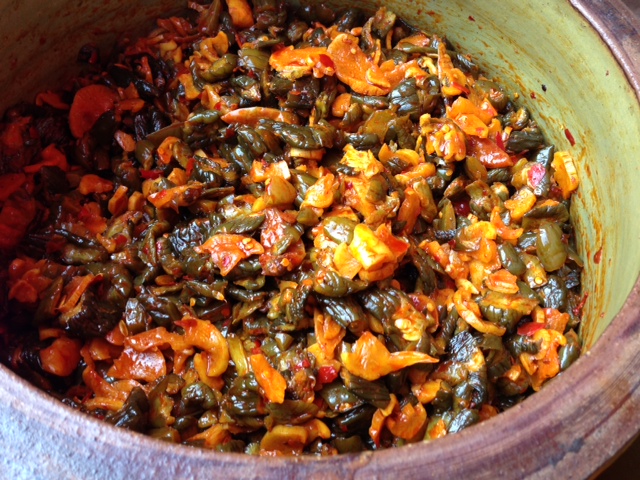
The Friday morning market in Shaxi is bustling with Bai women smartly adorned in their traditional dress, selling all manner of wonderful produce, and pickled vegetables and fruits:
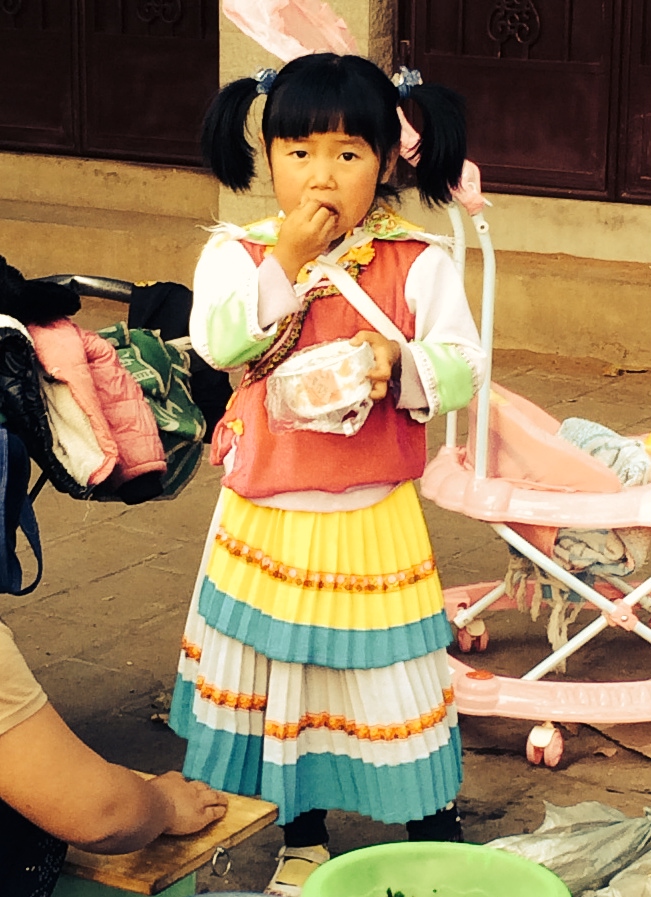
And an unbelievably cute little Bai girl in traditional dress:
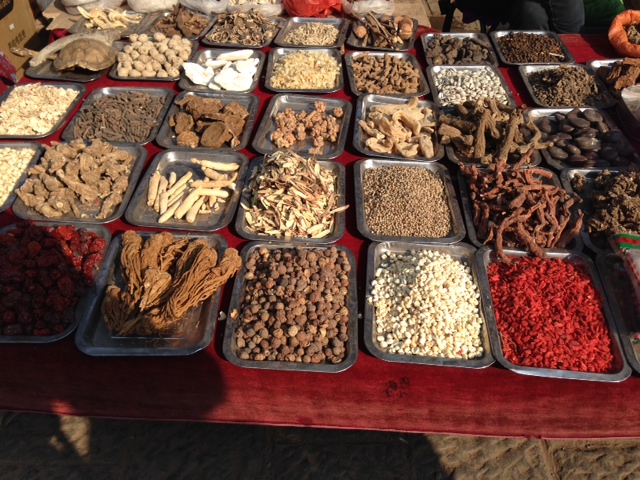
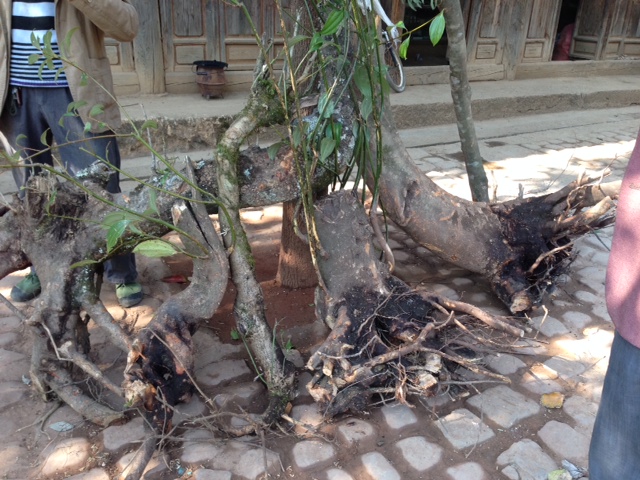
And lots of herbs and spices, penzai (bonsai) trees, and burls:
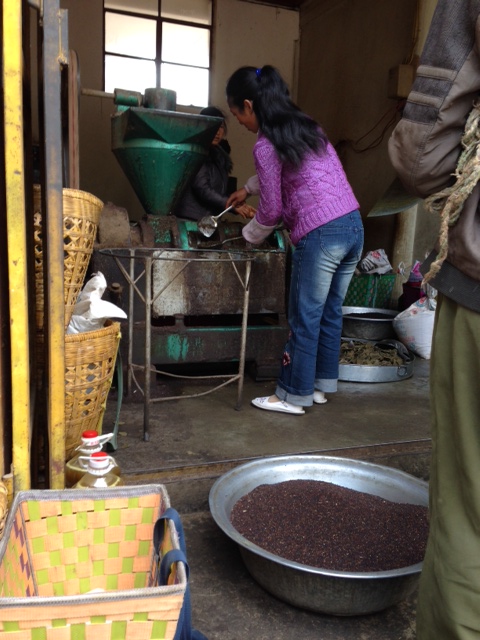
And a hand-pressed canola oil operation:
We visited the Yungang Grottoes near Shaxi-these grottoes contain over 200 of the earliest fine rock carved architecture in China, and the Buddhist temple is a UNESCO World Heritage site. It is a moving site:

At another nearby Buddhist temple, there were monkeys, and Buddhas that I could relate to:

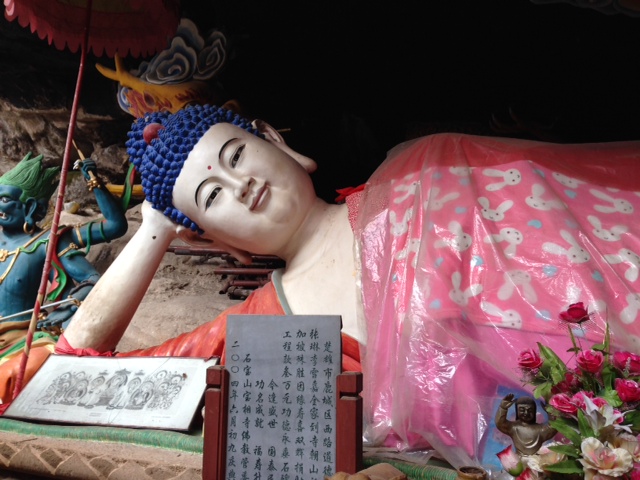
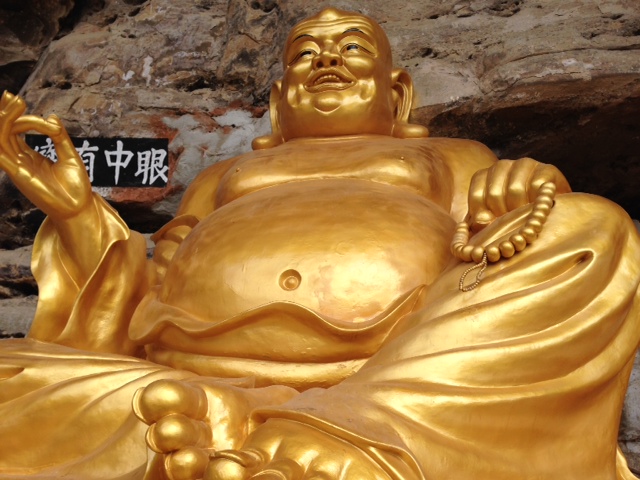
In the Songtsam Monastery in Shangri-La we saw a huge mural depicting the paths to heaven and hell-down near hell, there is a stage of fat people with long necks, depicting gluttony as an entry point to hell. The happy Buddha above is an entirely different matter (Whew!). Keep the happy, cherubic Buddha in mind-it will come up at a personal level in Hanoi!
On to Xizhou (near Dali) and the Linden Centre lodge
Peter, our wonderful Tibetan guide, and our driver, took us the 3 hours to Xizhou, a wonderfully peaceful Bai village about 30 KM north of Dali.
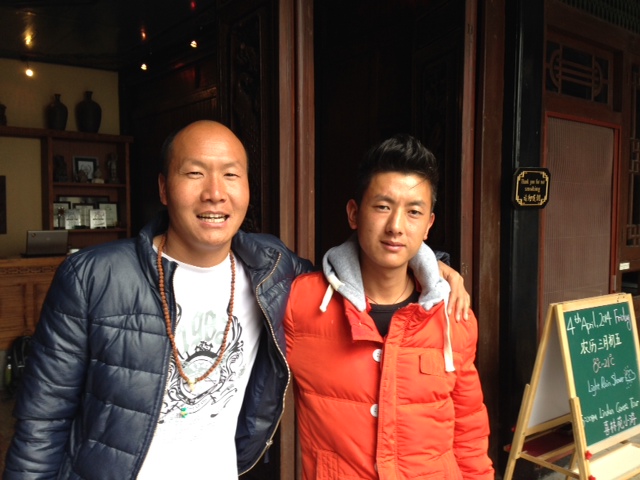
At this point, we said our goodbyes, but not until we had gotten lost heading there. Xizhou sits on Erhai Lake, an enormous thing of beauty. The superhighway heading there from the north heads to the East of the lake, but Xizhou is on the west side of the lake. None of this is clear on Google maps. So, after heading a few miles down the east side of the lake, we got on a secondary road going through villages back around the lake to the west.
Xizhou is another predominantly Bai village, but very small, although only 30 km or so north of Dali, a major town, also on Erhai Lake. We stayed at the Linden Centre, a very special lodge (albeit expensive) a few blocks from the old town center. It was one of the large palace type homes built around 1949, and one of the few of those homes that survived in original condition, and now tastefully updated. These older palace type homes were built around 3 courtyards, one of which always had an east facing wall that reflected the sun:

Sitting on the terrace of the Linden Centre, enjoying a local pomegranate wine, we could gaze out over acres of garlic fields-beautiful!
The daily market in Xizhou was one of most interesting markets we visited, full of traditionally adorned women:
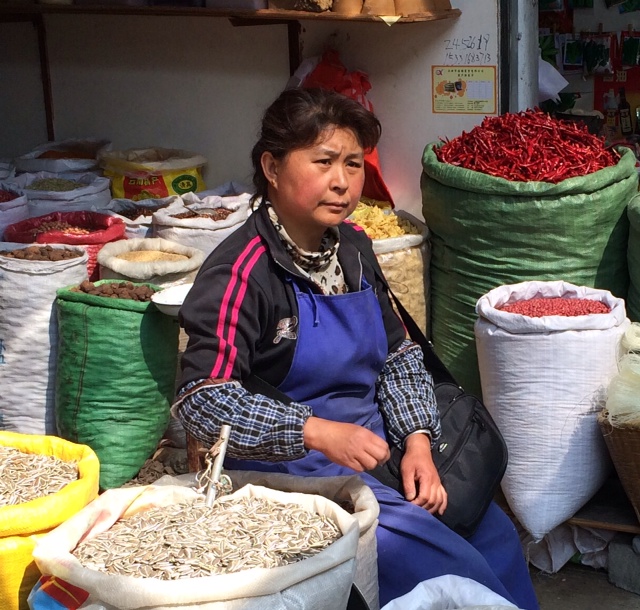
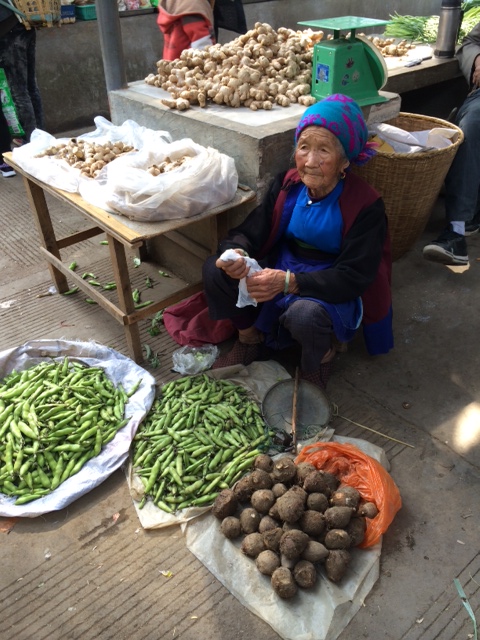
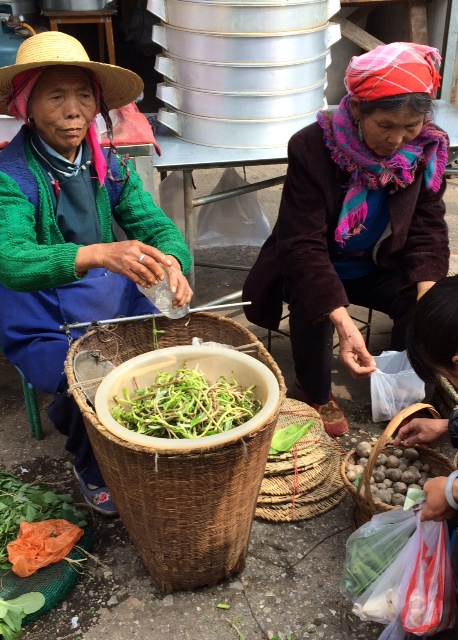
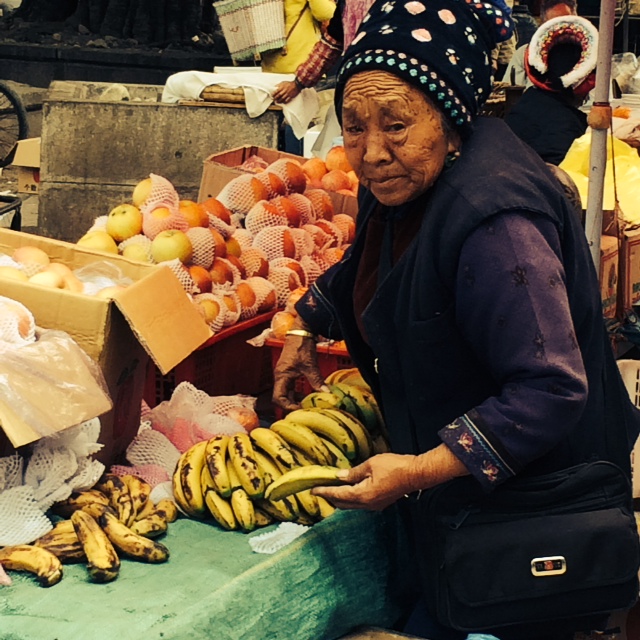
We also went with a wonderful “travel curator” from Linden Centre to the tie-dye village just a few km north. These are not hippy tie-dyes-they are a thousands of years old folk-art tradition:

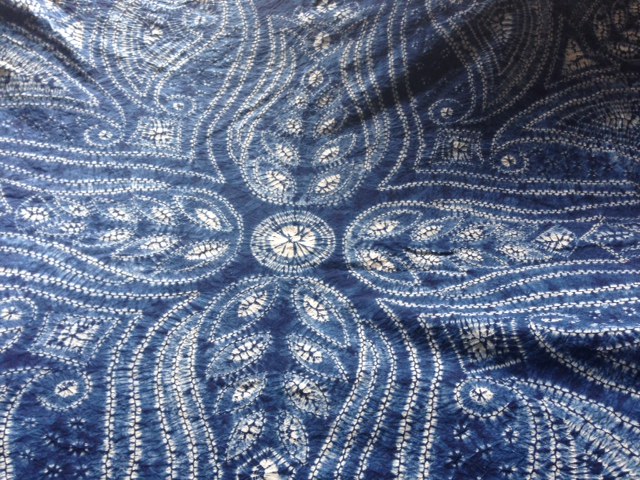
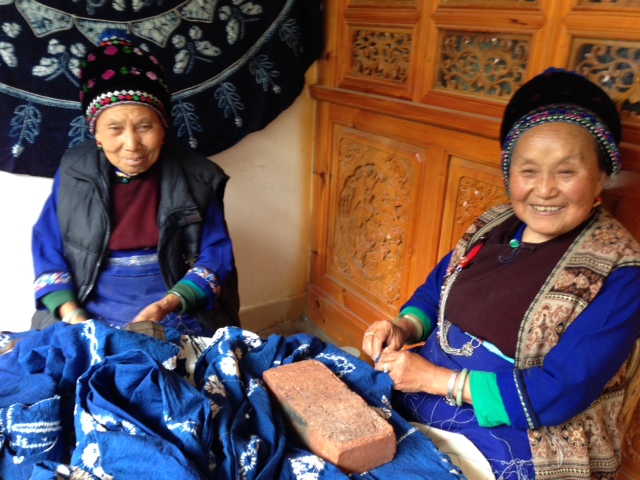
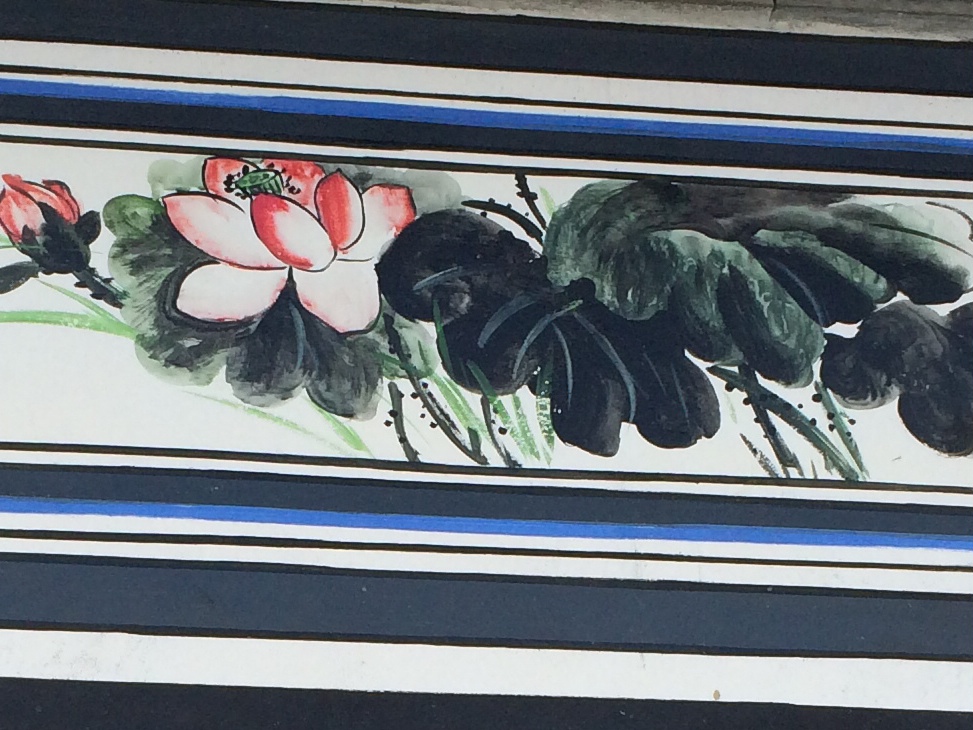
And the Bai architecture in Xizhou, similar to that in Shaxi, is also wonderfully full of hand painted tiles under the eaves of buildings:

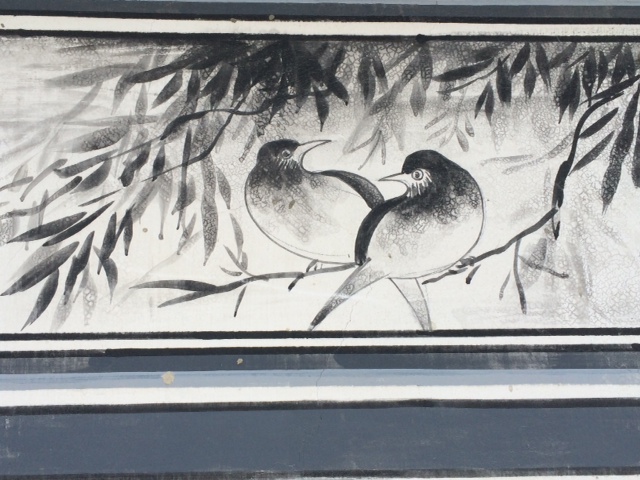
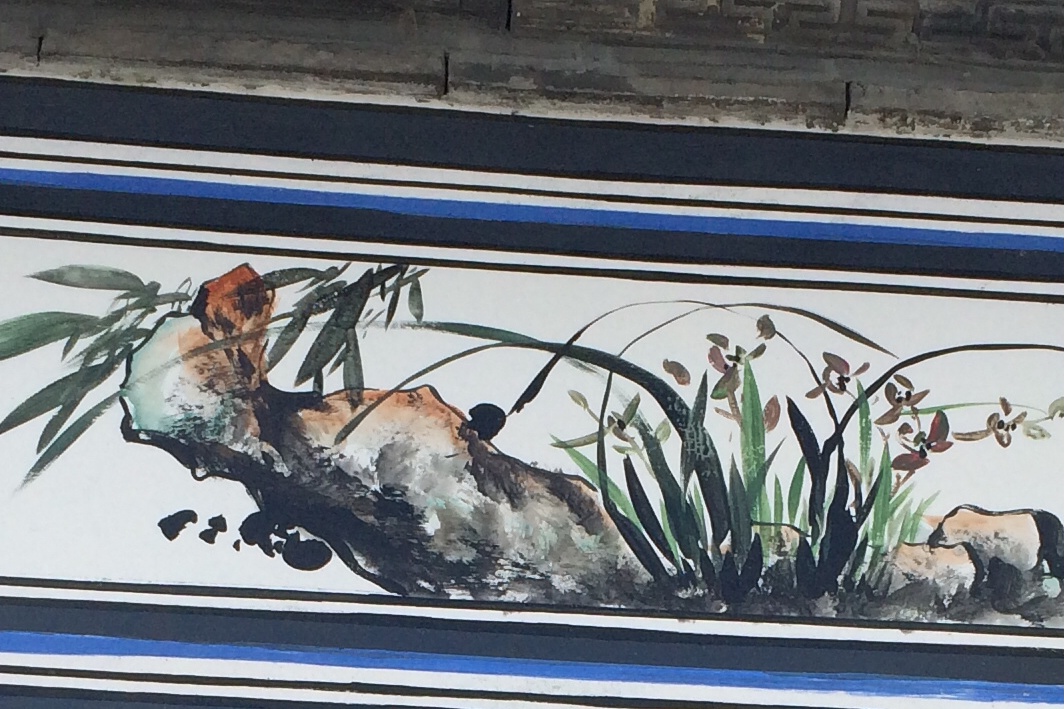
FOOD IN YUNNAN
The food all over Yunnan was unbelievably fresh, and with the greatest diversity of vegetable dishes I have ever seen. I don’t know if it’s due to much of the produce coming from local farmers, and not from large agri-business stocked grocery stores. Suffice it to say that even counting the simplest places in which we ate, we never had one meal that resembled another. Here are just a few of wonderful mostly veggie dishes:
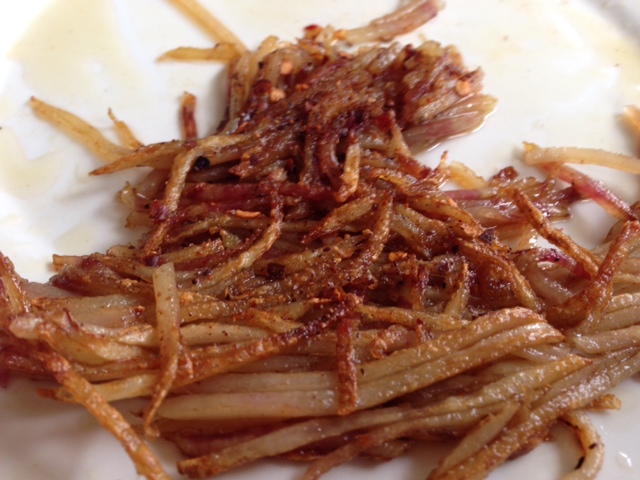
A flat dish of fried potatoes

Broad (fava) beans, cooked young and tender, with no need to peel!

Spicy garlic beans
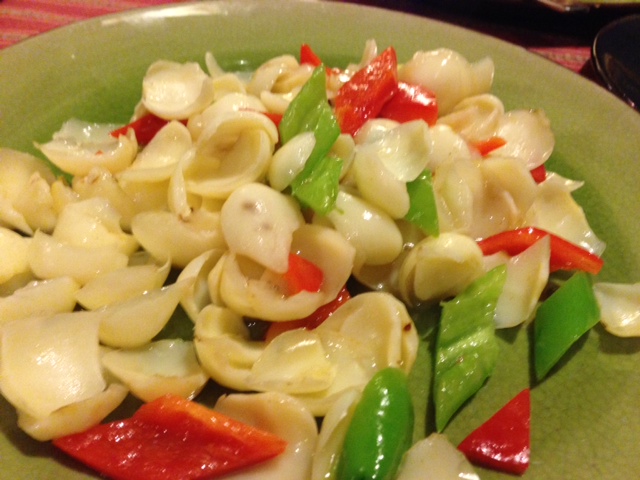
Lily bulbs!
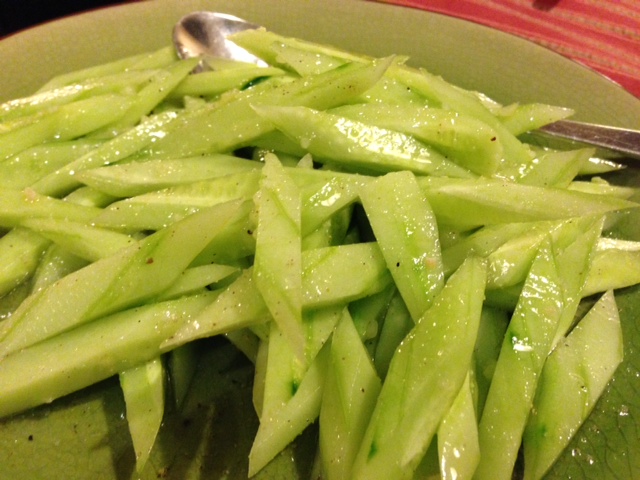
Cucumbers
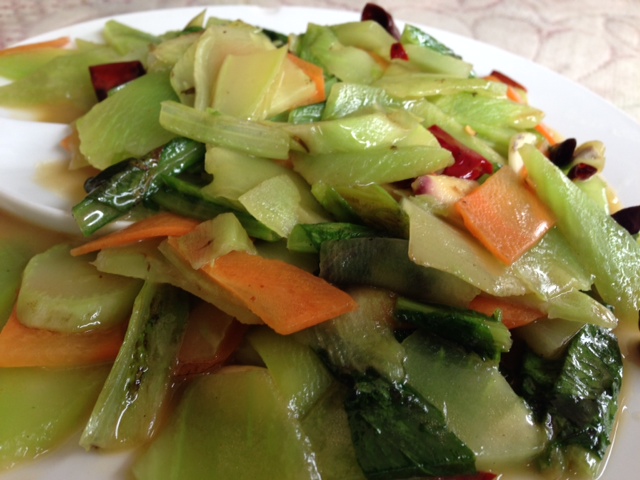
Mixed vegetables
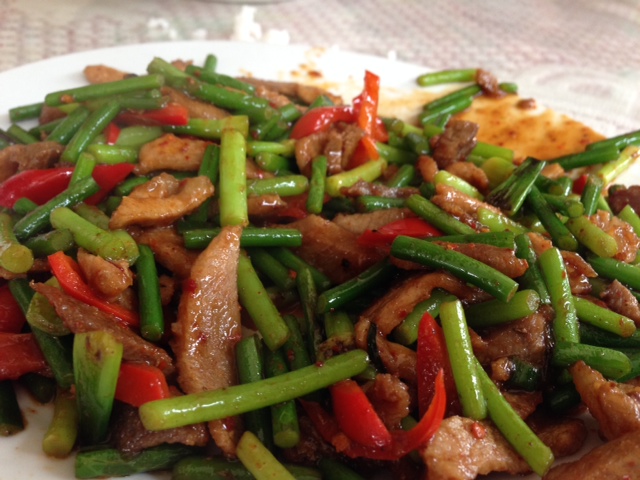
Garlic shoots, with meat
 doctwaiku